
Early Childhood Intervention Support
Early intervention is specialised support for children with disability, autism, developmental delay and other additional needs. Early intervention should happen as soon as possible after a child’s needs are identified. It might include therapies, education and other supports.
It can help children develop the skills they need to take part in everyday activities. Sometimes children who get early intervention might not need long-term support.
(raisingchildren.net.au)

How We Support Children & Families:
Developmental & Educational Support
Supports children’s development across learning, routines, and play
Encourages participation and confidence in everyday environments
Tailors strategies to support each child’s goals and needs
Play-Based Approach
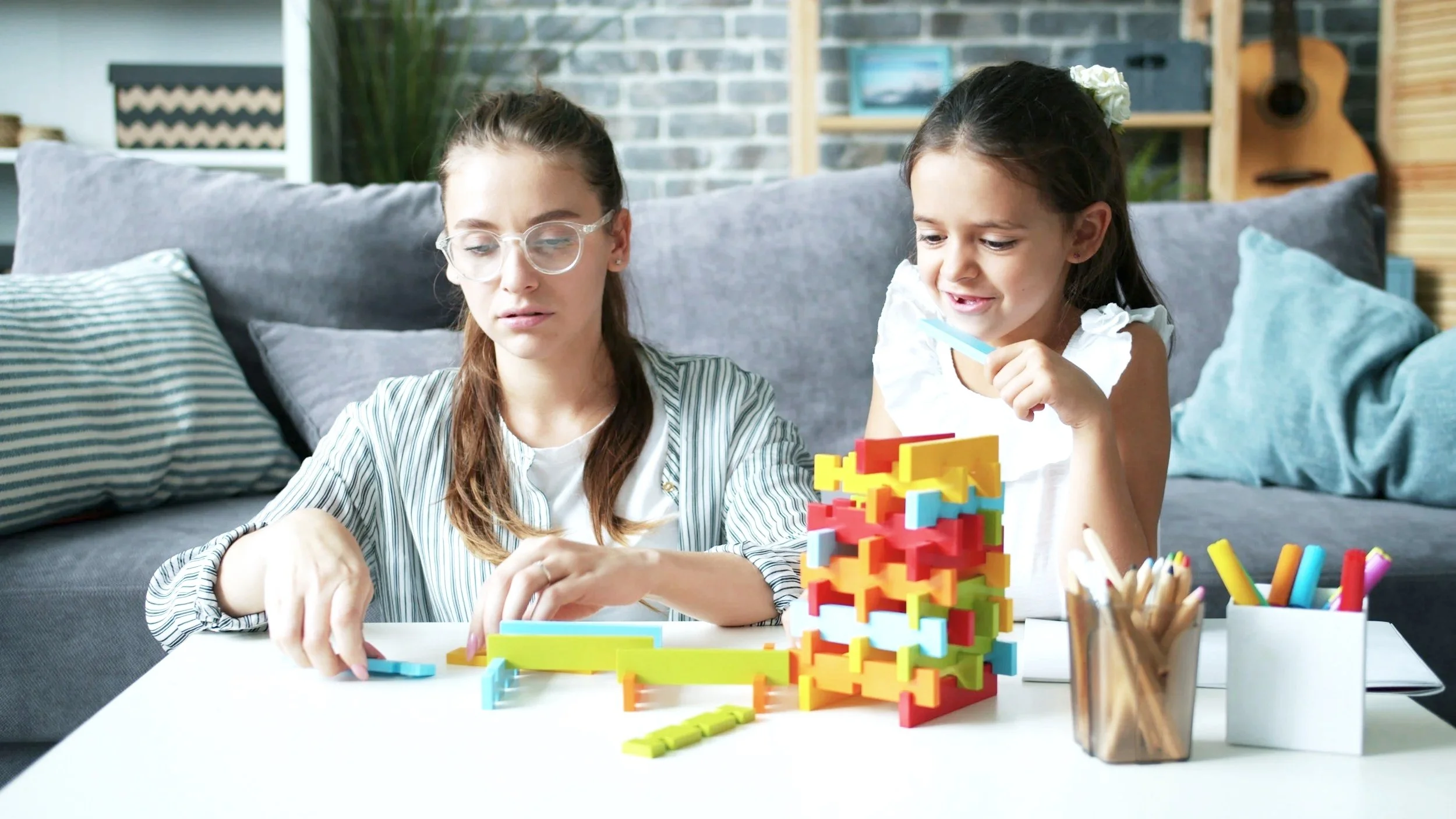
Uses play-based strategies to support learning, communication, and engagement
Encourages exploration, creativity, and problem-solving
Emotional & Social Development
Supports emotional understanding and regulation
Encourages positive interactions and relationships with others
Collaboration with Families & Professionals
Works closely with families to support consistency across environments
May collaborate with educators and other professionals when appropriate
Progress & Ongoing Support
Supports development over time through responsive and individualised approaches
Provides feedback and guidance to support ongoing skill development
Each child is unique, and support is tailored to their individual strengths, interests, and needs. The focus is on helping children build confidence, skills, and independence through supportive, engaging, and developmentally appropriate experiences.

Early Childhood Support
Our bachelor-qualified Early Childhood Teachers provide developmental, educational, and play-based support for young children across home, early learning, school, and community settings.
This service is available for both NDIS and private clients, and focuses on supporting children to build skills, confidence, independence, and participation in everyday activities.
Using a relationship-based and play-based approach, support is tailored to each child’s individual strengths, needs, and goals.
Skill Development Areas:
Support may focus on key developmental areas including:
✔ Cognitive skills
✔ Early literacy and numeracy
✔ Social and emotional skills
✔ Fine and gross motor skills
✔ Independence and daily living skills
✔ Engagement in learning and play
✔ Confidence and participation
✔ And more
Allied Health Assistant Support
(Under Supervision)
We also offer support through an Allied Health Assistant, working under the delegation and supervision of a qualified Early Childhood Teacher.
This option can help:
Extend the benefits of therapy
Provide additional support between sessions
Help NDIS funding go further
Reduce overall costs for families where appropriate
Allied Health Assistant sessions focus on:
Practising skills introduced in therapy or early childhood support
Supporting development through play-based activities
Building confidence, independence, and participation
Supporting consistency across environments
The Allied Health Assistant works under the guidance of the supervising professional, ensuring strategies remain aligned with the child’s goals and support plan.
This can be a helpful option for families wanting more frequent support while maintaining a high-quality, structured approach.
Allied Health Assistant sessions may be recommended to provide additional support under the guidance of a qualified professional, helping NDIS funding go further while continuing to support the child’s goals.